
 Oct 20th, 2026
What School Districts Should Be Doing Now to Prepare for the DOJ's Web and Mobile Application Accessibility Requirements
On April 24, 2024, the United States Department of Justice (DOJ) promulgated accessibility requirements that significantly affect public schools’ websites, electronic documents, online services, mobile applications, and digital communications. The requirements are much broader than making the school’s main website accessible. The requirements potentially reach nearly every digital service you provide to students, parents, employees, applicants, voters, and members of the public. Depending on the population size of the school district, compliance will be required beginning April 26, 2027, or April 26, 2028.
 Oct 20th, 2026
Workplace Violence Reports: Balancing Access and Privacy
In 2023, New York State amended the Public Employer Workplace Violence Prevention Act (“WVPA”) to include public school districts and BOCES, effective January 2024. Among other obligations, the WVPA mandates public employers implement a workplace violence prevention program, maintain a workplace violence reporting procedure, and review those reports annually “with the participation of the authorized employee representative” to identify trends in the types of incidents in the workplace and assess the effectiveness of corrective measures.
 Sep 30th, 2026
Court Enforces AIA Dispute Resolution Steps Against Contractor Suing School District
In a recent decision, the Ontario County Supreme Court held that a construction contractor could not skip contractually required dispute resolution steps and initiate litigation against a school district for breach of contract.
 Sep 30th, 2026
Comptroller Audits - Financial Management and Building Access Risks
Recent Comptroller audits highlight the importance of sound financial planning and effective procedures to control access to school buildings.
 Aug 18th, 2026
Protecting the District and Its Tax Base
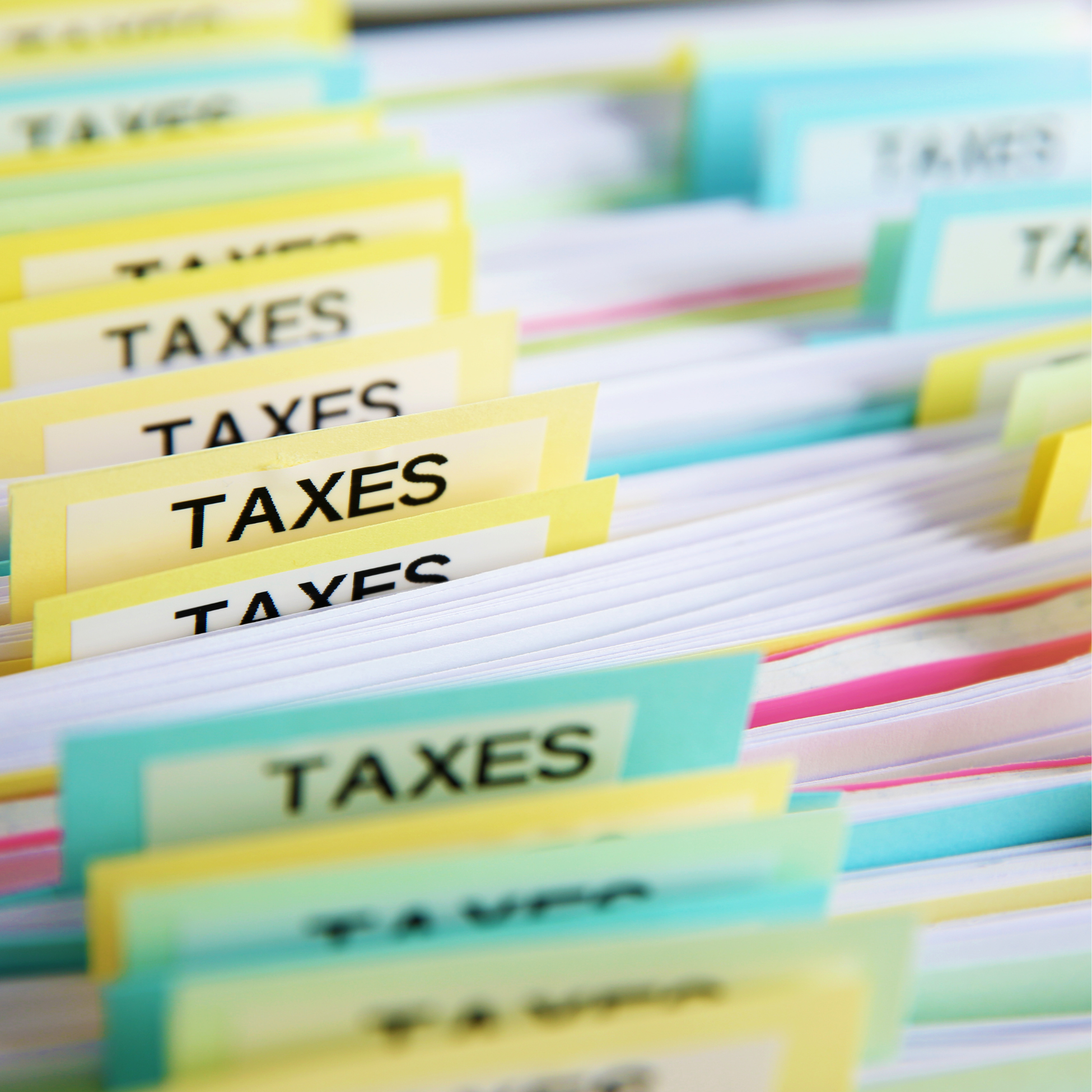
School districts have two primary sources of in-State revenue. The first is State Aid, revenue received from the State of New York. The second primary source of school district revenue is real property tax payments, received from residential and commercial property owners located in the school district, based upon their property’s assessed value. Property owners can challenge the assessed value in a tax certiorari proceeding and seek to reduce their overall tax payments, as well as to recover any payments made based on the alleged excessive value.
 Aug 18th, 2026
School District Compliance Alert: New Immigration-Related Procedures Required Under Education Law § 3201-b
Public school districts, BOCES, and UPK programs operating on school property must comply with new requirements under New York State Education Law Section 3201-b. The statute requires the covered entities (hereinafter, referred to as “school districts”) to develop, adopt and implement procedures designed to safeguard students and families from unauthorized immigration enforcement activities on school grounds and to certify compliance with those requirements to the Commissioner of Education.
Showing 1 of 32 pages